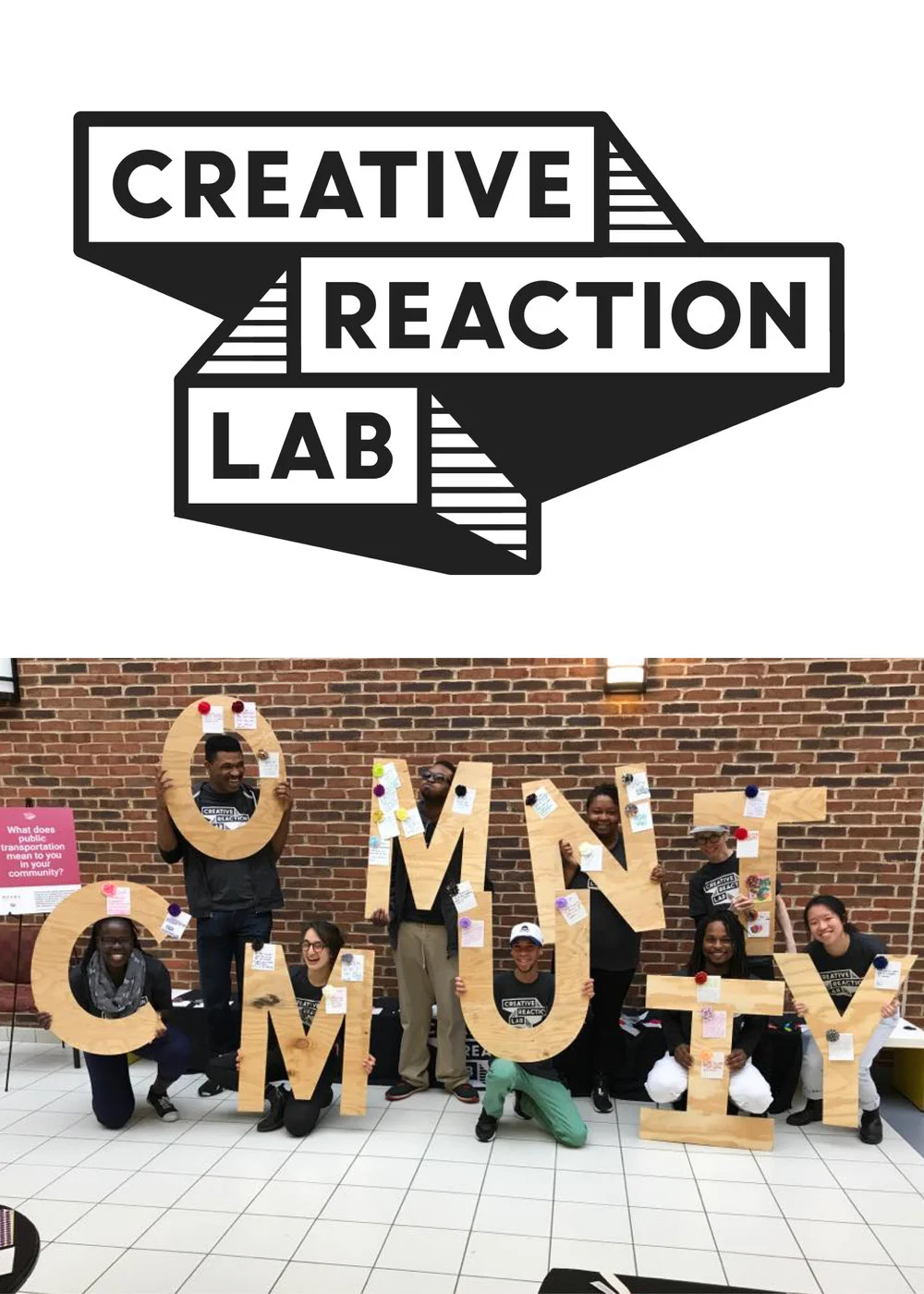
In the aftermath of the 2014 Ferguson protests, a 24-hour design challenge focussing on racial inequality and police brutality spawned the creation of Creative Reaction Lab. Founded by Antionette Carroll, CRXLAB’s philosophy is simple but powerful.
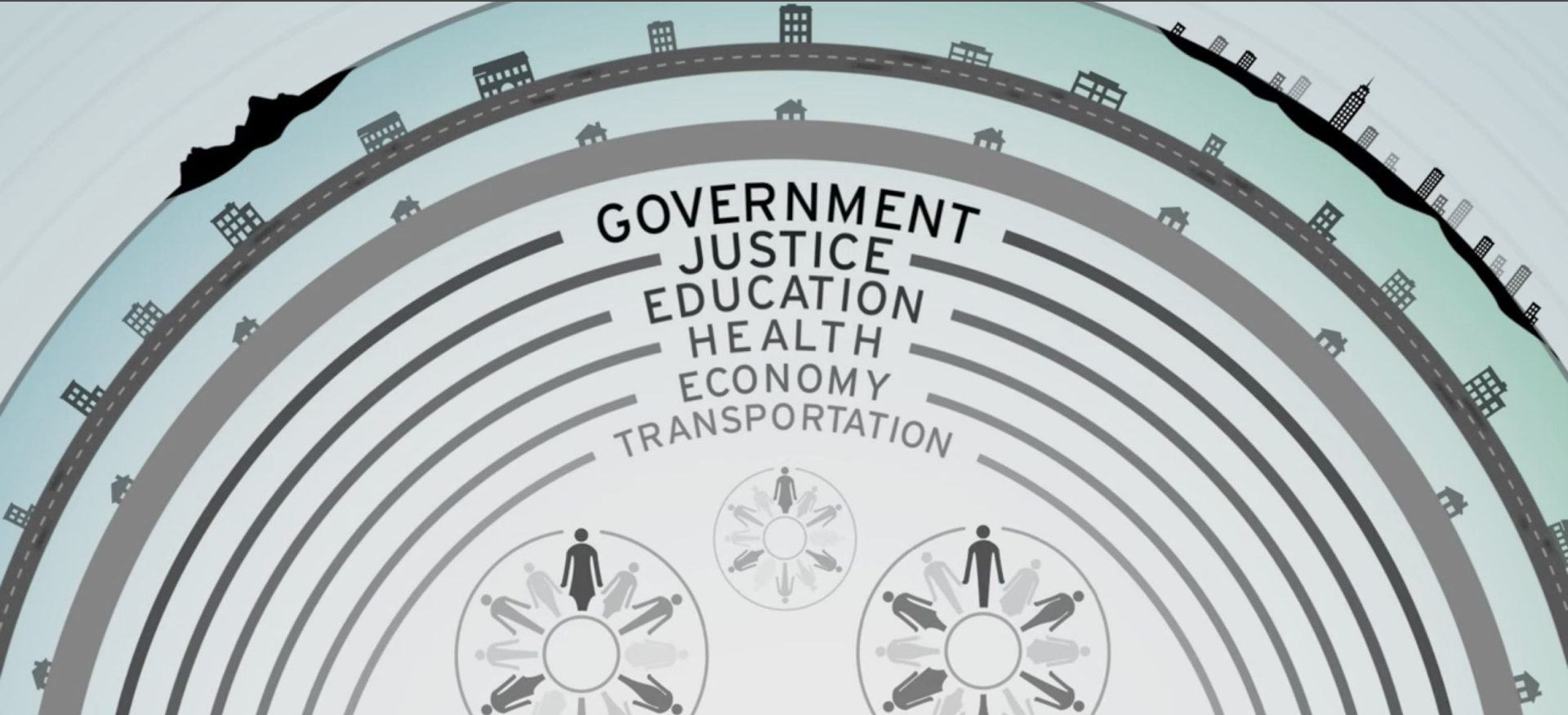
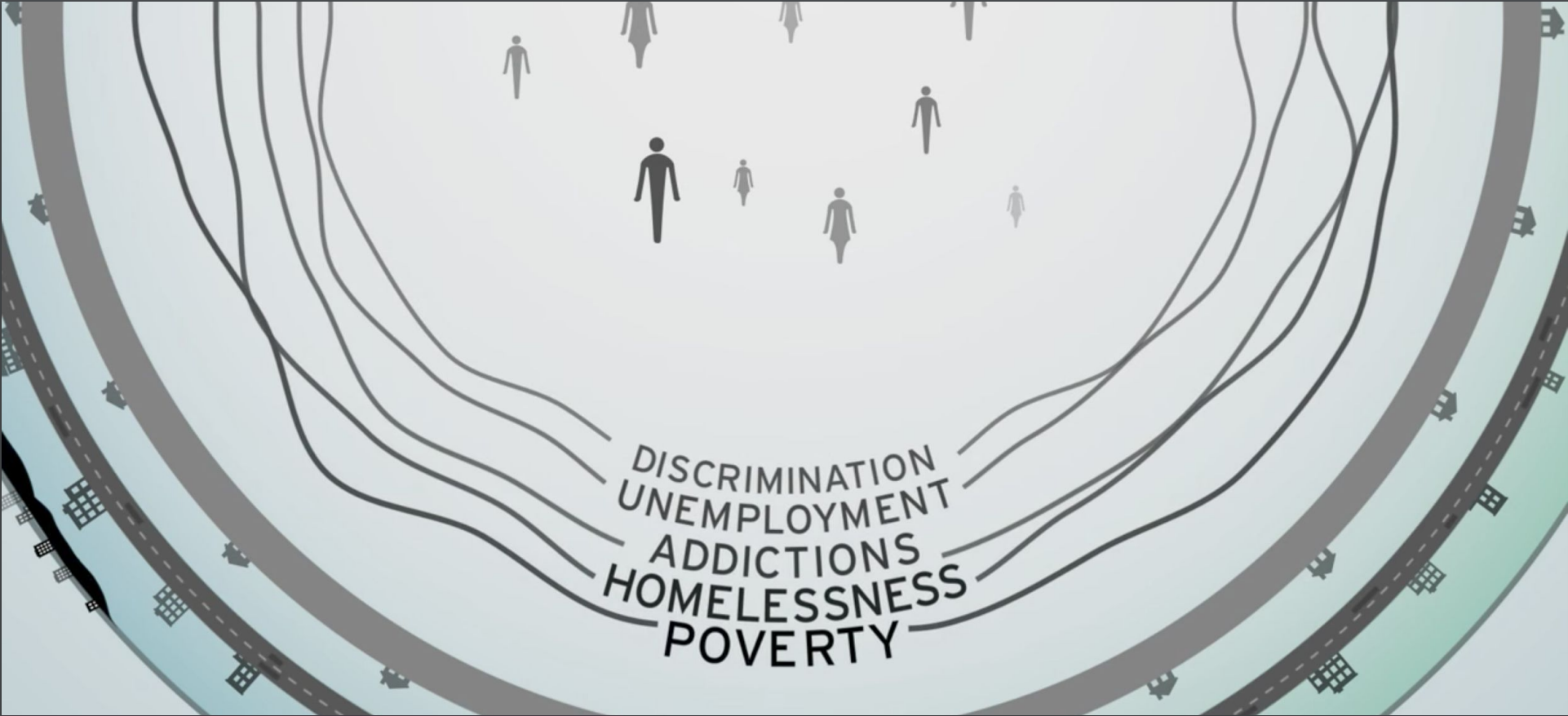
I like this idea of redesigning “systems” because it calls attention to the fact that these systems are not inherently “real” but were, at one time, created by humans before going through a process of (as sociologist Peter Berger would have it) externalization, objectification, and internalization. Seeing systems as “designs” allows us to analyze them, using our creativity as designers to make them work better for, in the case of CRXLAB, Black and Latinx people.
This is not “design thinking”.
Carrol is wary of that phrase, seeing it often encompass a practice whereby designers operate separate from the communities they’re trying to understand. As she explains, these designers “go into the community to observe and then leave to create a solution” without including the community as co-creators “during every step of the process”.
The notion that “design thinking” could be controversial was a surprise to me at first. My UX2 professor Selwa Sweidan had presented the idea to me during a conversation several months ago, but I failed to understand what was problematic until reading about Carroll and the CRXLAB. As she puts it:
“You cannot say that you are effectively addressing these issues if you are not including the people affected by them into your efforts, and giving them access to power.”
The inadequacies of “human-centered” design, which is something I’ve been reading about a lot, is also something CRXLAB mentions. But I’ll return to this in a later post.
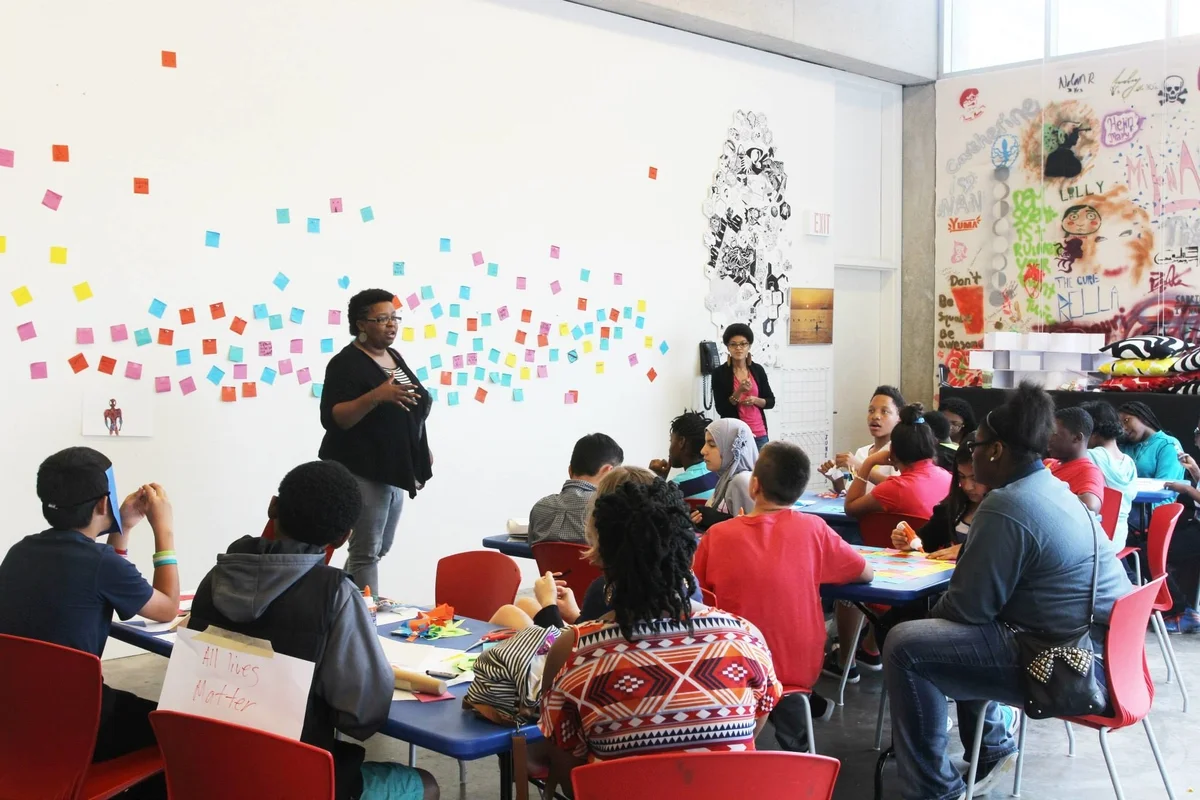
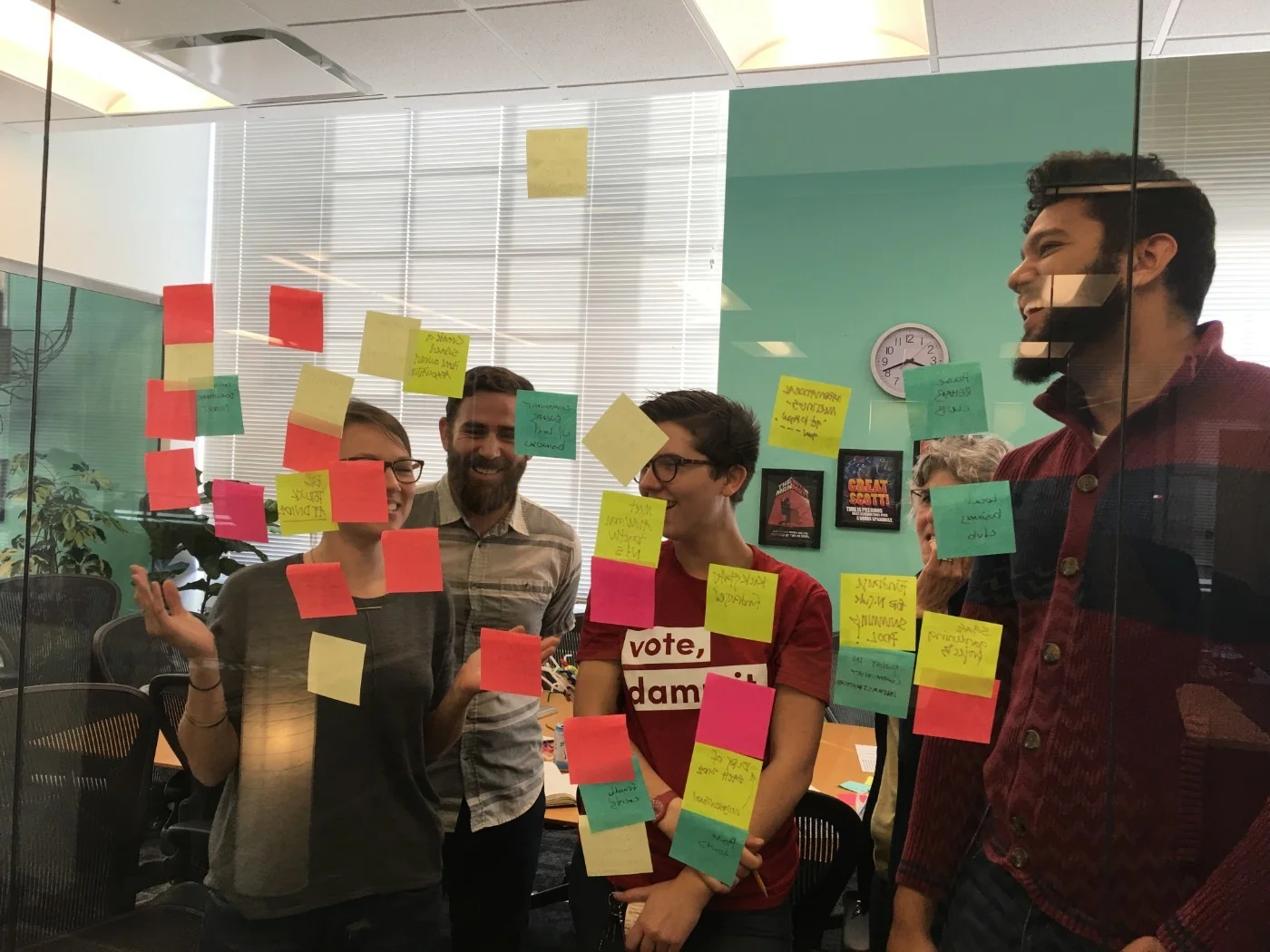
What CRXLAB does promote is the idea of “equity design”. Through art, programs, events, and apprenticeships, they focus their efforts on educating and training Black and Latinx youth to become community leaders who can employ the concepts of equity design to help create more racially equitable communities.